Introduction
Cutting, bending and welding can only get you so far. Sometimes a fabrication project needs a bracket that sits perfectly flat. Sometimes it needs a flange that no standard supplier stocks, or a jig that holds its position through hundreds of weld cycles. This is where custom CNC brackets, flanges and fixtures fill the gap — the three parts used most often in fabrication work.
Summary
Key Takeaways
- Welding and cutting have limits. Fabricated structures need CNC machined parts at connection points and mounting surfaces to reach the accuracy that welding alone cannot give.
- Custom brackets fill gaps that catalogues cannot. Custom flanges solve non-standard connection problems that off-the-shelf flanges can't, designed to AS 1210/AS 4041 requirements.
- Machined fixtures keep every assembly the same, which matters most on production lines.
- Apply tight tolerances only where they matter. Structural brackets often only need ISO 2768-Medium. Precision surfaces and locating features can go down to ±0.01mm where the job needs it.
1. Why Fabrication Projects Need CNC Machining
Heavy fabrication produces rough shapes: steel is flame-cut, press-brake formed or plasma-cut, then welded into frames and structures. These processes introduce variation — weld heat causes distortion, bending causes springback, cutting leaves uneven edges.
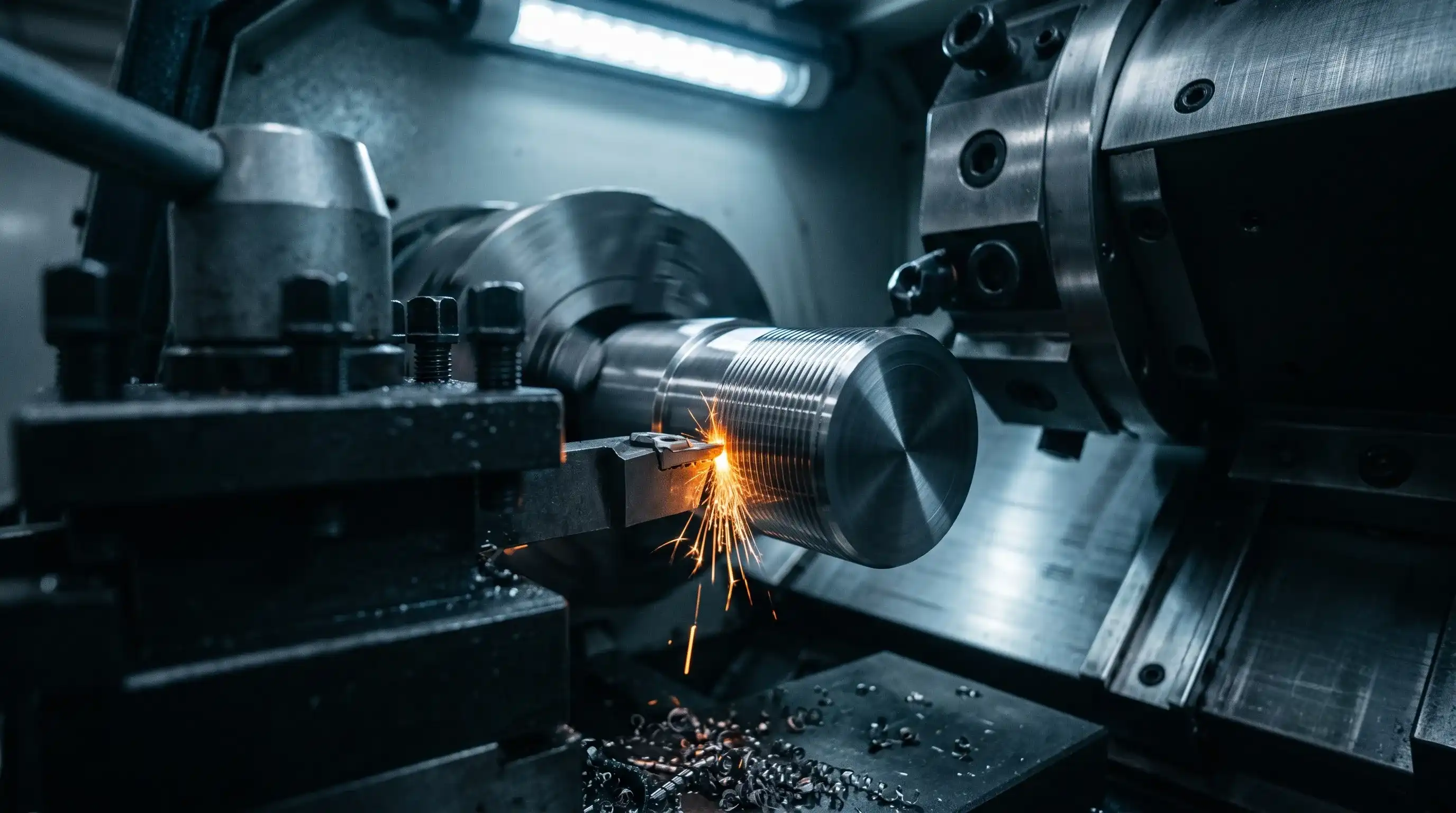
For general structural work, that's usually fine. But if a fabricated assembly needs to connect to machinery, seal under pressure, or hold a sensor in an exact position, the tolerance gets tighter than welding or cutting alone can guarantee. CNC machining removes material in precise, repeatable steps, holding tolerances as tight as ±0.01mm on precision features — the bridge between structural fabrication and functional accuracy.
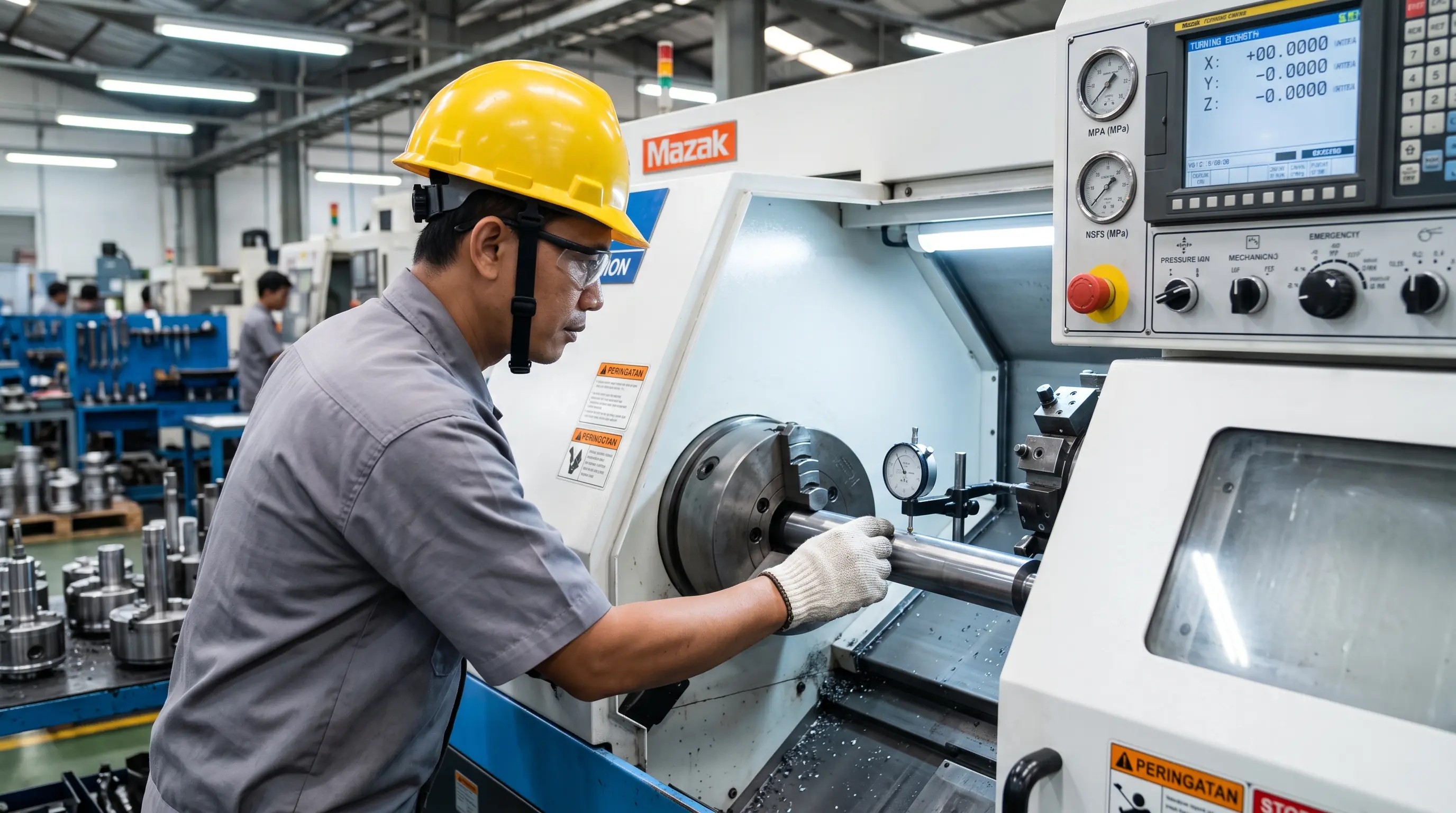
CNC machining usually comes in at two points: after welding, to correct distortion by machining datum surfaces and locating holes before final assembly; or as separate components, machined on their own and then bolted or welded into the structure. Both need a machine shop that reads fabrication drawings and delivers on time. For fabricators in Melbourne's south-east, a local CNC machining service based in Mordialloc removes the delivery risk that comes with distant or overseas suppliers.
2. Custom CNC Brackets: When Welding Is Not Enough
Brackets connect structural frames, mount equipment and secure pipework. Many are fabricated directly from plate or angle. But welding introduces heat, and heat causes movement — fillet welds warp bracket faces, full-penetration welds cause bowing, and finished dimensions can drift outside tolerance.
If your bracket needs a very flat face or faces that sit perfectly square, welding cannot reliably deliver that. CNC milling produces flat faces, accurately placed hole patterns, and square, parallel mounting faces — so the bracket bolts into position and fits the first time, with no shimming or on-site machining.
Material Options
Mild steel (Grade 250 or 350 to AS/NZS 3678) is the standard choice for structural brackets. Grade 304 or 316 stainless suits food, marine and coastal environments. Aluminium 6061-T6 or 7075-T6 suits lightweight installations, and brass or copper suit electrical and plumbing hardware.
Design Tips
Match internal corner radii to standard end-mill sizes, keep thread length within a sensible range, and only specify a fine surface finish where function requires it. A CNC machining service that reviews your drawings before quoting can flag these issues before any metal is cut.
3. Custom Flanges: Non-Standard Connections Made to Measure
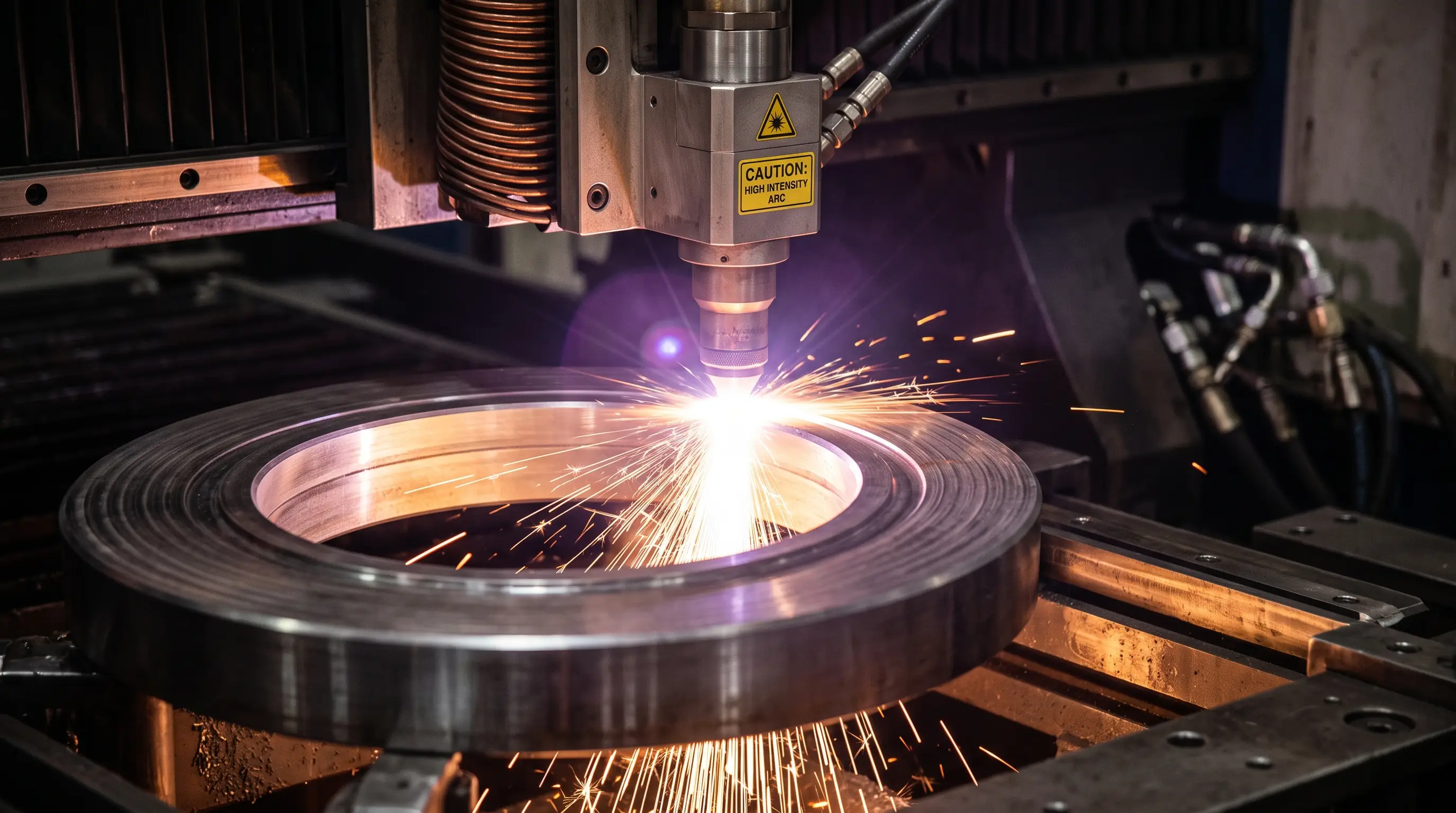
Flanges join pressure piping, storage vessels and process equipment. Standard flanges under ANSI B16.5, EN 1092 and AS 4087 cover most applications, but fabrication projects often need a non-standard vessel size, an unusual bolt circle, or a pressure class needing a thicker face than standard tables allow. Fabricating a flange from plate leaves rough, uneven surfaces — for any flange in a pressure boundary, CNC machining is the right process.
In Australia, pressure-retaining components are governed by AS 1210 (Pressure Vessels) and AS 4041 (Pressure Piping). Non-standard flanges must show their shape and thickness meet containment requirements, through engineering calculation or finite element analysis. The sealing face matters most — it needs a fine, even surface for compressed fibre, spiral wound or ring joint gaskets to seal properly. Rough faces are one of the most common causes of leaks in fabricated piping.
After CNC turning the flange body, bolt holes are drilled on a milling machine, programmed directly from your CAD drawing — a misaligned bolt circle means the flange can't mate with its partner without rework. Surface treatment also adds a thin layer to machined faces (zinc plating, galvanising to AS 4680, or passivation to ASTM A967 for stainless), so tell your machine shop the finish upfront.
4. CNC-Machined Fixtures: Keeping Every Part the Same
Fabrication fixtures — jigs, assembly aids and workholding devices — hold components in position so every assembly comes out the same. The rule is simple: the fixture's accuracy sets the limit for every part made in it, so if the design calls for a tight tolerance, the fixture's locating features need to be machined even more accurately. Only CNC machining can reliably achieve that.
Good fixture design uses just enough support points to hold the part firmly without over-constraining it: three points set the main flat surface, two more set a second reference line, and one final point stops rotation. The locating points are precision-ground pins, hardened surfaces and accurately drilled bushings, checked against a reference after machining.
Three fixture types come up often: weld fixtures for tack welding, assembly jigs that align prefabricated sections for bolted connections, and inspection fixtures that present finished parts on known reference surfaces for measurement.
5. Materials, Tolerances and Australian Standards
Getting the tolerance right matters as much as the dimensions — too tight and you pay for precision you don't need, too loose and parts won't fit on site. ISO 2768 gives a shared language for general tolerances: ISO 2768-Medium suits structural brackets and general components, ISO 2768-Fine suits precision interfaces and locating surfaces, and individual title-block callouts go down to ±0.01mm for sealing faces and critical features. Best practice is to specify ISO 2768-Medium as your baseline and add tight tolerances only where needed.
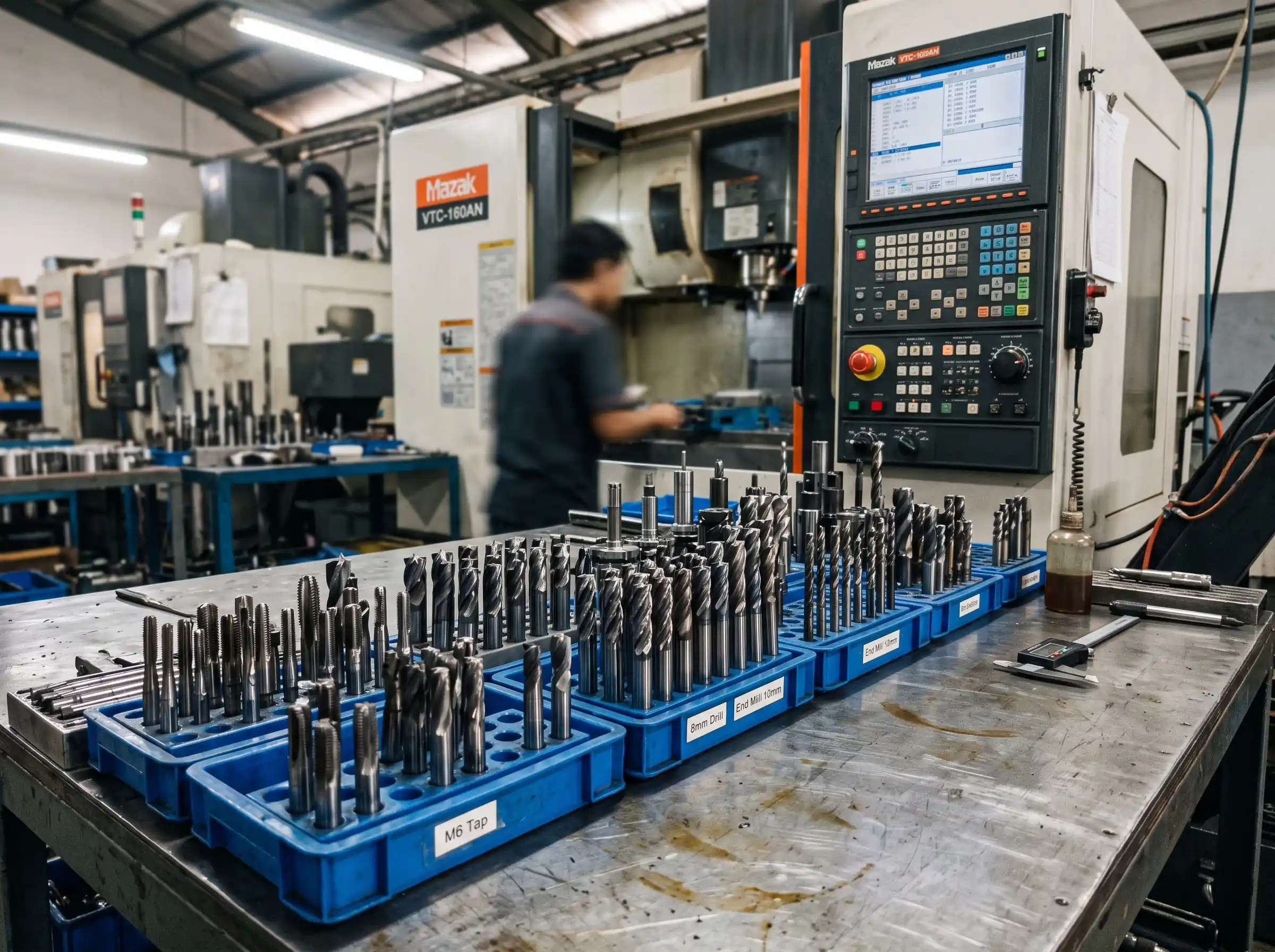
Southside Engineering machines mild steel, 304 and 316 stainless, aluminium 6061-T6 and 7075, brass and copper. Depending on the application, the relevant standards are usually AS 4100 (Steel Structures), AS 1210 (Pressure Vessels), AS 4041 (Pressure Piping) and AS/NZS 1554 (Structural Steel Welding) — note the applicable standard on your drawing so your machine shop can confirm its capability for that class of work before you commit.
6. How to Order Custom Machined Parts
The more information you give at quoting stage, the faster your parts arrive and the less likely they are to need rework. Preferred: a STEP or IGES file, or a dimensioned PDF drawing with material, tolerance class and finish called out. Without CAD files, a clear sketch with key dimensions works for simple parts, and site measurements are fine for one-off or reverse-engineered components — just mark the critical dimensions clearly.
Surface treatment changes final dimensions, so tell your machine shop what treatment the part will receive, which surfaces must stay within tolerance after treatment, and whether machining happens before or after final assembly. Southside Engineering coordinates powder coating, anodising and electroplating as part of the delivery, handling dispatch to the treatment provider and returning the finished part to you.
We respond to drawings with a quote within 4 business hours, and offer 24-hour rapid prototyping for urgent design validation. Working locally means no offshore freight delays and no customs clearance — and a machine shop you can call directly on (03) 9587 0405.
Custom CNC Brackets, Flanges and Fixtures at Southside Engineering
Southside Engineering has been machining custom brackets, flanges and fixtures for Melbourne fabricators since 1973. Our Mordialloc workshop produces these parts and specialty fittings, from one-off prototypes to production batches, and we're 100% Australian owned and operated with tolerances to ±0.01mm on precision features.
For broader fabrication support beyond these three part types, see our CNC machining for fabricators page. If you need custom CNC parts for mining, defence, heavy equipment and machinery or industrial equipment — whether it's a one-off project or ongoing fabrication support — we're ready to quote.
Call us on (03) 9587 0405 or request a quote.