

100% Australian Owned & Operated

Fast Turnaround CNC Machining You Can Trust

We specialise in precision CNC machining of metal and plastic parts, servicing a wide range of industries across Australia, at any volume, with a 100% satisfaction guarantee.

5.0 / 5.0
5 Star Google Reviews

What Our Clients Say About Southside Engineering

Great service , fast delivery and excellent quality , when we need something fast they always deliver. Will recommend it to any one who needs machining services
Marliyn Garzon
Used South Side to machine some parts for me. Stevan was very helpful and knowledgeable. Great prices, very quick turnaround and amazing service all around.Would definitely recommend to anyone.
Maxim Driker
The prices are right and the service is fast. They are friendly , helpful and always get us out of trouble. Great to have them as part of our team.
Olgica Golic
Their clear communication, reliable service and prompt turnaround have made them a trusted and dependable partner. We highly recommend Southside Engineering for any CNC machining work.
Brobo Group
Fantastic company to deal with. They always quote and deliver fast. Great pricing.
Highly recommend.
N.M
It’s an excellent company, with outstanding customer service, very competitive prices, and impeccable attention. 100% recommended.
Cristopher Chia

100% Australian Owned & Operated

Based in Mordialloc, Victoria since 1973

LOW TOLERANCES

+/- 0.01 mm

BEST VALUE

Best of 3 Quotes

BEST QUALITY

AU Based QC Guarantee

RAPID PRODUCTION

1 Day Turnaround

Get High-Quality CNC Machined Components

Quality assurance at every stage in our factory based in Melbourne

Is your part file ready to go?
Get a Quote
Want to talk about your project?
Contact Us

Trusted by Australia’s Leading Businesses

We partner with companies across industries that demand reliability, quality, and precision.

From Prototype to Production, Done Right

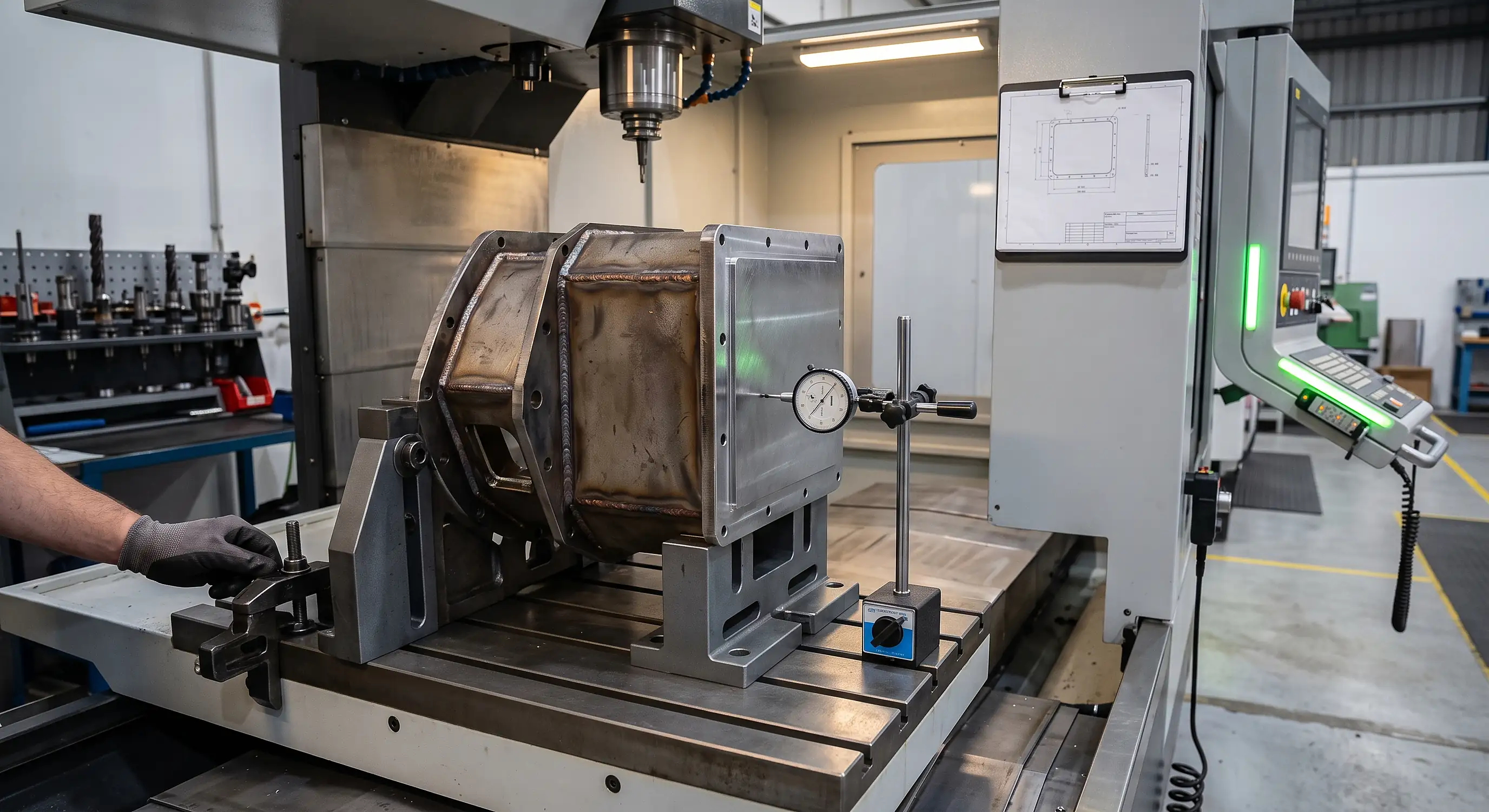
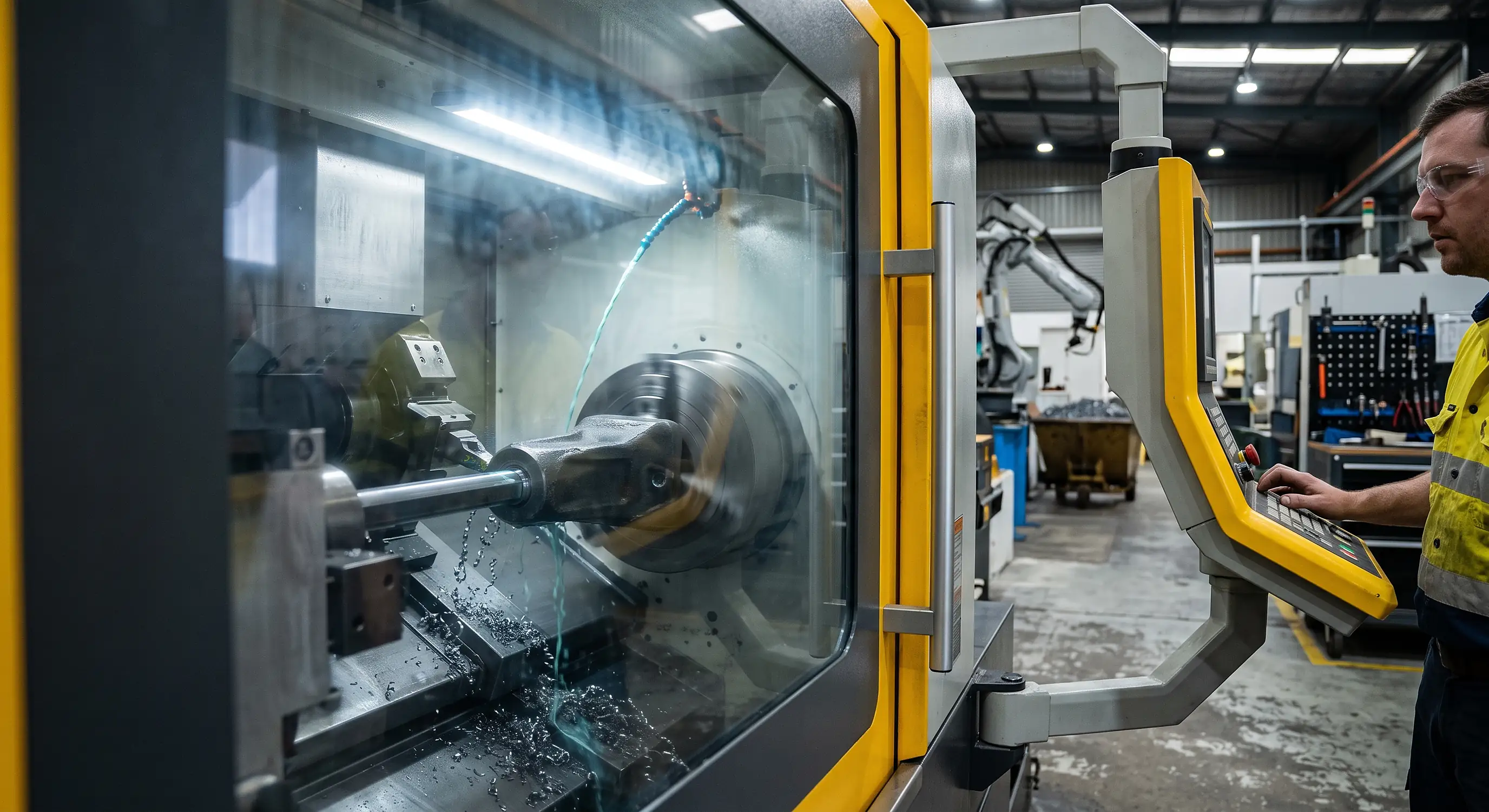
High-precision CNC machining for prototypes, small-batch runs, and full-scale manufacturing — built for consistency and speed.
A white background with a diagonal pattern.
Precision-engineered metal components representing CNC machining and rapid prototyping services for general manufacturing in Melbourne
High-precision metal fittings representing custom CNC machining and manufacturing projects in Melbourne.
Machined sprockets and gears representing CNC manufacturing for conveyor and material handling equipment in Melbourne.
Craftsman shaping wood in a workshop, representing CNC machining and manufacturing services for furniture production in Melbourne.
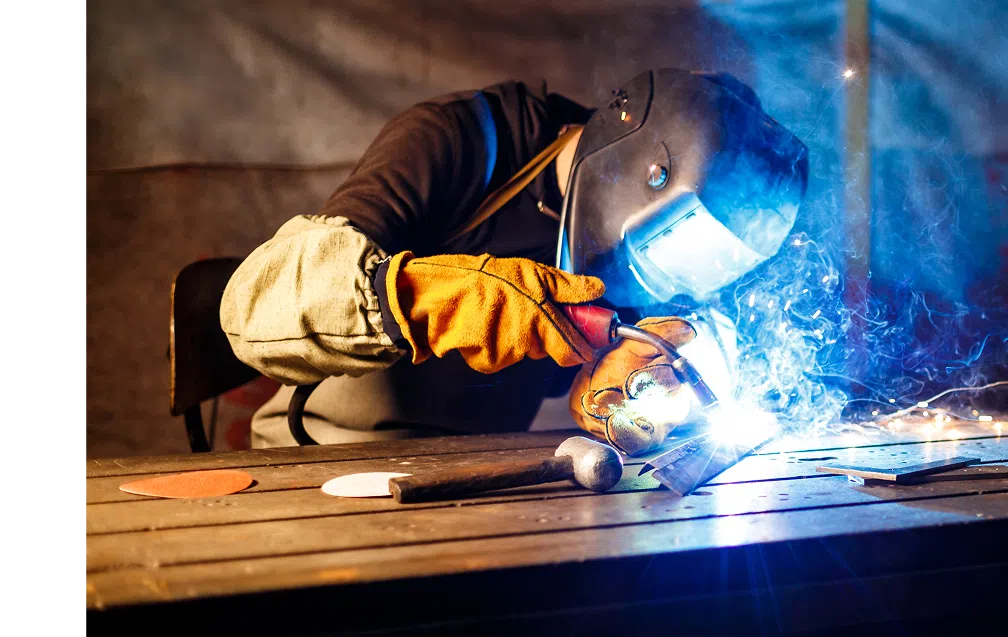
Welder wearing protective gloves and helmet using a welding torch on a metal piece, with sparks and smoke visible.
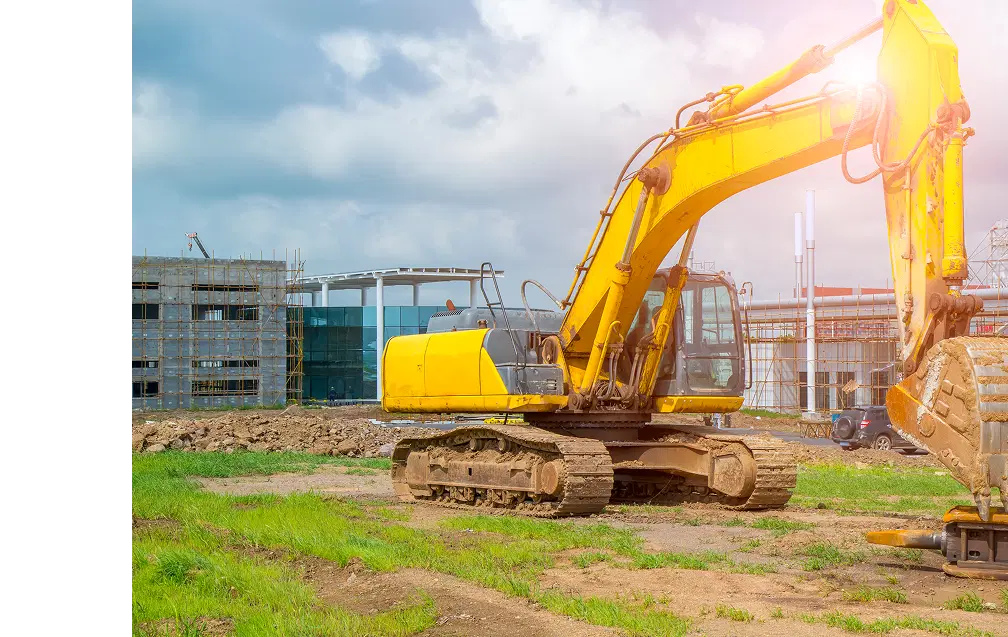
Heavy excavator machinery using precision components produced through CNC machining and CNC manufacturing.

Precision That Drives Discovery

High-tolerance CNC components for lab instruments and research equipment requiring accuracy and repeatability.
A white background with a diagonal pattern.
Precision-machined metal components representing CNC manufacturing for scientific and laboratory equipment in Melbourne.
Technician operating precision machinery in a cleanroom, representing CNC machining and manufacturing for medical equipment in Melbourne.
Precision-engineered electronic components representing CNC machining and manufacturing services for the electronics industry in Melbourne

Reliable Machining for Heavy-Duty Performance

Suspension, chassis, and fastener components precision-machined for strength and longevity.
A white background with a diagonal pattern.
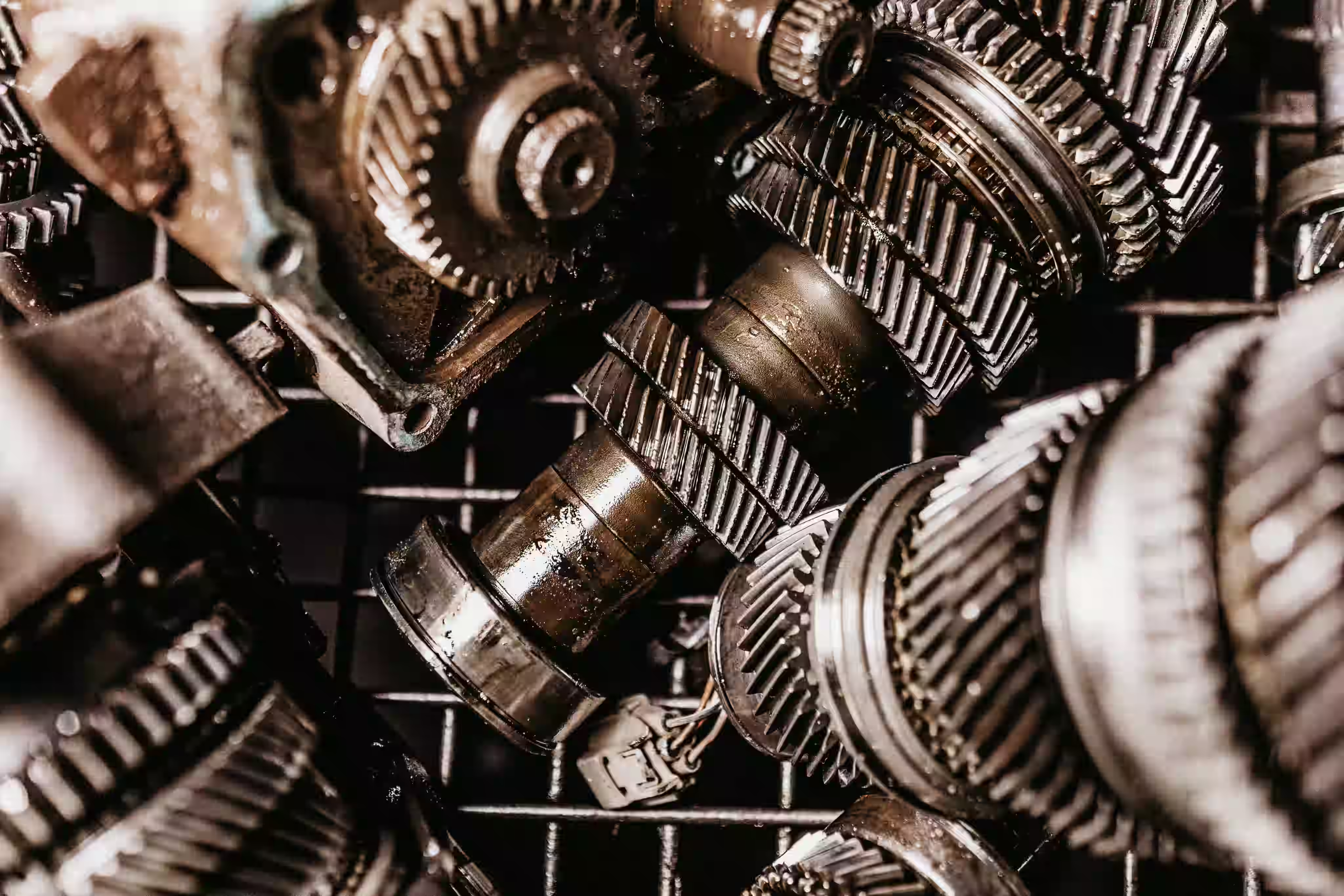
Heavy-duty gears and mechanical components representing CNC machining and manufacturing for trucks and commercial vehicles in Melbourne
Precision-engineered rail components and gear assemblies representing CNC machining and manufacturing services in Melbourne.
Workshop with precision tooling and machinery representing CNC machining and manufacturing for the construction industry in Melbourne
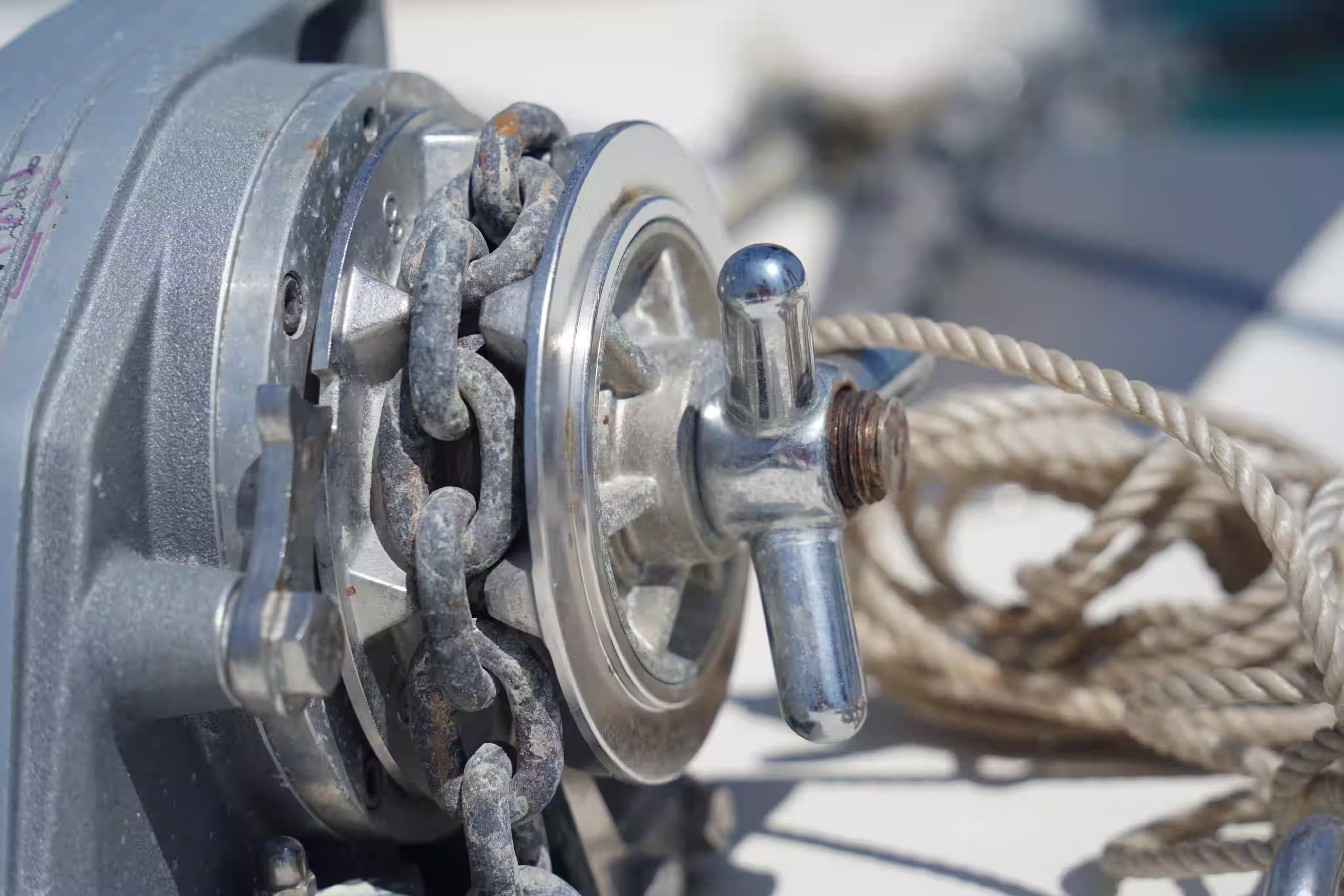
Marine-grade winch and chain mechanism representing CNC machining and manufacturing for the marine industry in Melbourne.

Mission-Ready Precision Engineering

CNC-machined components for defence vehicles and weapons systems, built to exact specifications for operational reliability.
A white background with a diagonal pattern.
Precision-engineered metal components representing CNC machining and manufacturing services for the defence industry in Melbourne
Precision-machined metal component representing CNC machining and manufacturing for security and containment equipment in Melbourne

CNC Components That Outlast the Mine

Wear-resistant brackets, spacers, and joints machined for durability and performance in demanding mining conditions.
A white background with a diagonal pattern.
Heavy-duty industrial gear representing CNC machining and manufacturing services for the mining industry in Melbourne.
Industrial gears and mechanical components representing CNC machining and manufacturing for the oil and gas industry in Melbourne.
Operator using industrial food processing equipment representing CNC machining and manufacturing for the food and beverage industry in Melbourne.

How Our Process Works

1

Send Your Designs

Send your design through our website or you can email them and we will get back to you within 4 business hours with a quotation.

2

Manufacture

Once you have accepted our quote, we will get to work in creating your parts to the highest quality and will be manufactured in days!

3

Quality Inspection

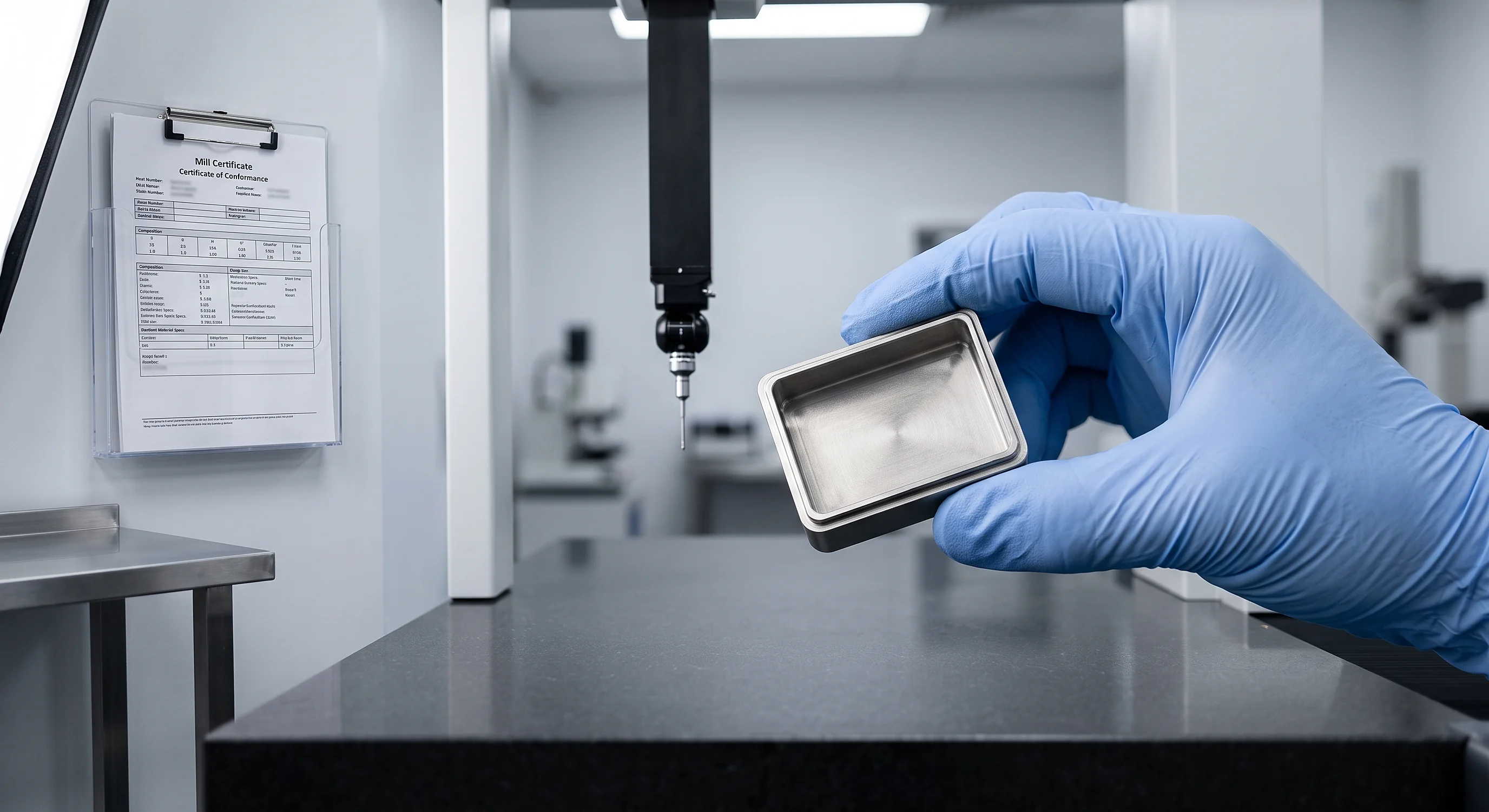
Our expert team of engineers carry out rigorous Quality Control to ensure thorough inspections of your parts and ensure they are right the first time.

4

Delivery

We ensure on-time delivery to your doorstep by utilising our own delivery drivers and transport partnerships so we can delivery anywhere you are in the fastest time.

Over 50 Years of Experience in CNC Machining

Southside Engineering has over 50 years of experience in servicing some of the largest and most accredited companies throughout Australia, which has enabled us to build a solid reputation throughout the industry.

Frequently Asked Questions

What industries do you serve?

We provide CNC machining and manufacturing solutions for a wide range of Australian industries. These include mining, defence, medical equipment, rail, marine, electronics, agriculture, food and beverage production, construction, and more. Our flexibility allows us to manufacture parts for both highly specialised applications and general industrial use.

What is your turnaround time?

We offer a 24-hour rapid prototyping service for urgent projects, helping clients test and refine designs quickly. For larger production runs, our lead times depend on project scope and complexity, but we are known for fast, reliable delivery thanks to our Melbourne-based team and nationwide logistics partners.

Do you handle both small and large orders?

Yes. We work on projects ranging from one-off prototypes and small-batch runs to high-volume production and repetition engineering. Our workshop is equipped to scale production seamlessly, giving clients confidence whether they need a single custom part or thousands of identical components.

Where are you based?

Our workshop is located in Mordialloc, Victoria, and we proudly serve clients throughout Melbourne and across Australia. With our own delivery drivers for local orders and trusted transport partners nationwide, we ensure components reach you quickly and securely.

How can I get a quote?

Simply use our online quote request form or call us directly. If you provide CAD drawings or specifications, our team can respond with a detailed quote within 24 hours. We also offer our “Best of 3 Quotes” promise, ensuring you receive competitive pricing without compromising on quality.

What materials can you machine?

We work with a wide range of metals and engineering plastics to suit different industry requirements. This includes aluminium, steel, stainless steel, titanium, brass, and copper, as well as advanced plastics such as Nylon, PEEK, and ABS. Our material expertise ensures your components meet the durability, performance, and compliance standards required for their application.

Do you provide finishing and additional services?

Yes. In addition to CNC machining, we offer end-to-end manufacturing services, including powder coating, electroplating, TIG/MIG welding, laser cutting, pressing, bending, tool making, EDM, and heat treatment. These services allow us to deliver fully finished components, reducing the need for multiple suppliers and helping you save time and cost.

Still have questions?

If you have any questions about our services, please don’t hesitate to reach out. We’re always happy to help!

Get High-Quality CNC Machined Components

Quality assurance at every stage in our factory based in Melbourne

Is your part file ready to go?
Get a Quote
Want to talk about your project?
Contact Us

Related Blog Posts

Machining

How to Manage CNC Machining Lead Times Across a Live Fabrication Project

Timing machined components to a live fabrication build is one of the hardest parts of project coordination. Here is how to keep lead times under control.

CNC machining in Melbourne serves fabrication companies who need machined components delivered in step with their build programmes. Material sourcing, programming, setup, inspection, and finishing all contribute to lead time. This guide covers the key variables, how to plan machining around your fabrication milestones, and how to handle the urgent orders that inevitably arise on live projects.

Summary

Key Takeaways

  • Material sourcing is the biggest lead time variable. Common grades like Aluminium 6061-T6 are available in days, but specialised alloys and heavy sections can take weeks or months, especially with tightened supply chains since 2020.
  • Plan machining around your welding sequence, not separately. Rough machining before welding, then finish machining after stress relief, avoids tolerance losses from weld distortion.
  • Post-weld cooling periods affect scheduling. Under Weld Australia guidelines, cooling holds of 16 to 48 hours before NDT must be built into the programme (TWI Global; BS EN 1011-2:2001).
  • A local machining partner speeds up urgent work. A Melbourne-based CNC shop with your files on hand can deliver emergency parts next-day, versus five to seven business days for offshore air freight.
  • Consolidating with one CNC machining partner reduces coordination overhead and lowers lead times on repeat and high-volume machining orders.

1. Why CNC Machining Lead Times Are Less Predictable Than You Think

Lead time for a CNC machined part is not just machine time. It includes material sourcing, programming, setup, machining, inspection, and any secondary finishing like anodising or plating. Each step has its own variables.

Material is often the biggest unknown. Common grades like Aluminium 6061-T6 or Mild Steel 1020 are usually available from local stockholders within days. But specialised alloys, heavy plate sections, or specific bar diameters can take weeks or even months to arrive, particularly when supply chains are tight. Lead times for non-standard stock in Australia have increased considerably since 2020, making early procurement planning essential for any project with custom material requirements.

If your project involves structural compliance under AS/NZS 5131, there are also mandatory hold points to factor in. Under Weld Australia guidelines, post-weld cooling periods — typically 16 to 48 hours depending on material thickness and joint type — must be observed before non-destructive testing (NDT) can begin (TWI Global; BS EN 1011-2:2001). These cooling requirements are not optional, and they directly affect when machined components can move to the next stage of production.

For parts requiring defence or aerospace certification under AS9100D, documentation and traceability requirements add meaningful overhead to standard production timelines. First-article inspection reports, raw material certification with heat-number traceability, and in-process inspection records all extend lead times, particularly on small-batch or first-article work.

2. Plan Your Metal Machining Around Your Fabrication Milestones

The most common mistake is treating CNC machining as a separate procurement package that runs in parallel with fabrication. In practice, machined components and welded structures are interdependent. The order in which things get welded affects when and how parts should be machined.

For example, if a machined mounting face needs to sit within a welded frame, it often makes sense to rough machine the part early, let it go through the welding and stress-relief stages with the rest of the assembly, and then bring it back for finish CNC milling or CNC turning once the structure has settled. This staged approach avoids the classic problem of machining to final tolerance, only to have welding distortion push everything out of spec.

Talk to your machining partner about your build programme early. Share your fabrication schedule, not just the part drawing. A good CNC machining shop will plan their metal machining work around your milestones rather than just quoting a standalone lead time.

3. Handling Urgent Orders Without Derailing the Schedule

On any live project, things change. Designs get revised, parts get damaged, or a downstream process reveals that an additional component is needed. Urgent orders are part of the reality of fabrication work.

The key is having a machining partner who can respond quickly without you needing to start the relationship from scratch each time. If your CNC machining shop already has your material specs, drawing history, and programming files on hand from previous jobs, they can turn around urgent work in days rather than weeks.

For rapid prototyping or emergency replacement parts, local shops have a clear advantage over offshore suppliers. A Melbourne-based machinist can have a part on your bench the next morning. An overseas order, even with air freight, typically takes five to seven business days at best once customs clearance is factored in.

4. Consolidate Your Sourcing Where You Can

Splitting machining work across multiple suppliers creates coordination overhead. Each shop has its own quoting process, its own scheduling queue, and its own quality system. When you consolidate recurring work with a single CNC machining partner, you reduce the back-and-forth and build a relationship where your shop understands your standards, your typical tolerances, and your project rhythms.

This is especially valuable for high-volume machining and repetition engineering work, where setup time drops significantly once the first batch has been programmed and proven. Your second and third orders come through faster and cheaper because the groundwork is already done.

5. How Southside Engineering Manages Lead Times for Fabricators

At Southside Engineering, we work with fabrication companies, heavy equipment manufacturers, mining, and construction teams across Melbourne who rely on us to deliver machined components in step with their build programmes.

We coordinate with your project schedule so parts arrive when you need them. We hold programming files and material specs for recurring clients, which means urgent and repeat orders move through the shop faster. And because we are based in Mordialloc, parts travel across Melbourne, not across oceans.

We offer CNC machining, CNC milling, CNC turning, assembly and production, high-volume machining, and rapid prototyping. 100% Australian owned for over 50 years.

Need machined components delivered to your fabrication schedule? Get a quote or call us on (03) 9587 0405.

Southside Team
28 May 2026
0 min read
How to Manage CNC Machining Lead Times Across a Live Fabrication Project
Quality Control

What Engineers Should Know Before Sending CNC Drawings for Quoting

Clean, complete drawing packages get priced fast. Incomplete files go into a clarification queue. Here is how to get it right before you hit send.

The quality of your engineering drawings has a direct impact on how quickly and accurately a CNC machining shop can quote your job. Whether you are sending one-off prototypes or recurring production work, getting your file formats, material specs, tolerances, surface finish callouts, and geometry right before submitting saves days on every quote cycle.

Summary

Key Takeaways

  • Send a STEP file and a matching 2D PDF. The 3D model gives the machinist geometry for programming; the 2D drawing is the contract carrying tolerances, thread specs, and finish callouts.
  • Specify the exact material grade and temper. Aluminium 7075-T6 costs two to three times more than 6061-T6 in raw material (Ryerson, 2024). Specifying the grade avoids inflated quotes from conservative assumptions.
  • Use ISO 2768-mK for general tolerances and reserve tight callouts only for functional features like press-fit bores and sealing surfaces.
  • Standard CNC machining produces Ra 1.6 to 3.2 µm surface finish (CNC Pioneer, 2025). Finer finishes add polishing or grinding steps that increase price and lead time.
  • Account for anodising dimensional growth. Standard sulphuric anodising adds approximately 0.005 to 0.015 mm per side; hard anodising up to 0.025 mm per side (Anoplate, 2024).

1. Send Both a 3D Model and a 2D Drawing

The fastest way to get an accurate quote is to provide two files: a 3D solid model (STEP format is the industry standard for neutral CAD exchange) and a matching 2D technical drawing as a PDF.

The 3D model gives the machinist the geometry they need for programming. The 2D drawing is the contract. It carries the tolerances, surface finish callouts, thread specs, and any notes about secondary processing like anodising or powder coating.

If your 3D model and 2D drawing do not match, the quoting process stops while the shop works out which one is correct. Always check that both files reflect the same revision before submitting.

2. Be Specific About Materials

Writing “Aluminium” or “Stainless Steel” in the material field is not enough. Different grades machine very differently, and the raw material cost can vary significantly.

Aluminium Grades

Aluminium 6061-T6 is widely stocked, machines well, and is cost-effective. Aluminium 7075-T6 offers higher strength for aerospace and defence applications but costs two to three times more in raw material (Ryerson, 2024). Specifying the exact grade and temper condition (for example, 6061-T651 Plate) allows the machinist to price materials accurately and choose the right cutting parameters from the start.

Stainless Steel Grades

Stainless 303 is a free-machining grade with a machinability rating of approximately 78%, making it well suited to CNC turning. Stainless 316, by contrast, has a machinability rating of approximately 36% and work-hardens quickly, requiring slower speeds, sharper tooling, and more rigid setups (Worthy Hardware, 2024). Specifying the correct grade avoids a back-and-forth clarification that adds days to the quote.

3. Apply Tolerances Where They Actually Matter

Tighter tolerances cost more. That is not a sales pitch; it is physics. As tolerance requirements tighten, the machining process demands slower feed rates, more finishing passes, specialised tooling, and often CMM inspection rather than a quick check with callipers.

The most cost-effective approach is to apply a general tolerance note, such as ISO 2768-mK (medium linear tolerances with K-class geometric tolerances), to cover all non-critical dimensions. Then reserve tight, explicit tolerances only for features that genuinely need them, such as press-fit bores, sealing surfaces, or alignment datums.

This makes your intent clear. The machinist knows exactly which features are critical and which have standard allowances, so they can plan their CNC milling and metal machining operations accordingly.

4. Surface Finish: Say What You Need and When

Standard CNC machining produces a surface finish between Ra 1.6 and Ra 3.2 micrometres (CNC Pioneer, 2025). That is the typical default range for most shops and is perfectly adequate for most structural and mechanical applications. Requesting a finer finish adds polishing or grinding steps that increase the price and the lead time.

If your part requires a surface coating such as anodising, plating, or powder coating, note whether your dimensions apply before or after the coating. Standard sulphuric anodising grows approximately 0.005 to 0.015 mm of dimensional change per side, because roughly half to two-thirds of the oxide layer penetrates into the substrate rather than building outward (Anoplate, 2024). Hard anodising can add up to 0.025 mm per side. A simple note like “Ø20.00 +0.01/+0.02 mm AFTER ANODISING” saves the machinist from guessing and reduces the risk of parts failing inspection after treatment.

5. Clean Up Your Geometry

CAD files accumulate clutter. Duplicate lines, unclosed profiles, stray geometry, and micro-gaps in 2D vector files can all cause problems when the machinist imports your drawing into their CAM software.

Before submitting, run a cleanup on your CAD file to remove overlapping vectors and seal any open boundaries. For internal corners, always include a fillet radius rather than specifying a sharp 90-degree corner. CNC milling cutters are round, so they physically cannot produce a sharp internal vertical corner. Designing with a radius slightly larger than the tool radius keeps machining smooth and avoids unnecessary costs.

6. How Better Drawings Lead to Better Outcomes

For buyers and project agents sending recurring work to a CNC machining partner, drawing quality compounds over time. Clean drawings mean faster quotes, fewer engineering queries, shorter lead times, and more predictable pricing.

At Southside Engineering, we work with fabrication companies, heavy equipment manufacturers, and general manufacturing teams across Melbourne who value that kind of efficiency. We are happy to review your drawings and flag anything that might slow down the quoting or machining process before it becomes a problem.

We offer CNC machining, CNC milling, CNC turning, high-volume machining, rapid prototyping, and assembly and production from our workshop in Mordialloc, Melbourne. 100% Australian owned for over 50 years.

Ready to send your next drawing package? Get a quote or call us on (03) 9587 0405.

Southside Team
28 May 2026
0 min read
What Engineers Should Know Before Sending CNC Drawings for Quoting
Machining

Why Your CNC Machinist Needs to Understand Your Welding Sequence

Welding changes dimensions. If your CNC machinist does not know your welding sequence, you are setting up for rework. Here is how to prevent it.

If you manage fabrication projects, you already know that welding changes things. Heat warps steel, joints shift, and dimensions move. When CNC machined components are finished to tight tolerances before welding, those tolerances may no longer hold once the structure comes together. This guide explains why your machinist needs to understand your welding sequence and what to look for in a CNC machining partner who coordinates with your fabrication process.

Summary

Key Takeaways

  •  Welding introduces heat distortion that can shift heavy plate fabrications by several millimetres after cooling, pushing previously machined features out of spec.
  • Post-weld cooling holds of 16 to 48 hours before NDT are required under Weld Australia guidelines depending on material and joint type (TWI Global; BS EN 1011-2:2001).
  • Staged machining prevents rework: rough machine before welding, then finish machine critical surfaces after the structure has been welded and stress-relieved.
  • Your CNC machining partner should ask about your assembly sequence, be able to stage work across your build timeline, work to AS/NZS 5131:2016, and be local enough to respond quickly when things shift.
  • A local Melbourne machining partner means parts move between your welding bay and the machine shop without freight delays, and adjustments happen in days rather than weeks.

1. What Happens When Machining and Welding Are Treated Separately

On many projects, CNC machining and structural fabrication are handled as separate procurement packages. Machined parts get ordered to print, welded frames get built to drawing, and the two come together at assembly.

The problem is that welding introduces heat distortion. High-restraint joints and heavy plate fabrications can shift by several millimetres after cooling. Under Weld Australia guidelines and compliance requirements for AS/NZS 5131, structural welds require mandatory post-weld cooling periods — typically 16 to 48 hours depending on material thickness, joint type, and risk of delayed hydrogen cracking — before non-destructive testing (NDT) can begin (TWI Global; BS EN 1011-2:2001). That is time and movement that has to be accounted for in the machining plan.

When machined components are finished to final tolerance before welding takes place, the distortion from welding can push critical features out of spec. The result is rework: grinding, re-welding, re-machining, and re-inspection. In structural steel projects, weld distortion rework is widely recognised as one of the primary causes of schedule slippage.

2. Why the Welding and Metal Machining Sequence Matters

The order in which parts are welded, machined, and assembled makes a real difference to the final result.

On well-coordinated projects, CNC machining is planned around the welding sequence rather than ahead of it. That might mean rough machining a component before it goes into a welded assembly, then finish machining critical surfaces after welding and stress relief are complete. It could also mean designing machining allowances into the part so post-weld distortion can be cleaned up in a single finishing pass.

This is where your machinist’s understanding of your fabrication process becomes critical. A CNC machining partner who knows when and where welding will happen can plan their work to suit, whether that involves staging metal machining operations across multiple steps, adjusting CNC milling tolerances for post-weld conditions, or scheduling finish CNC turning passes after the structure has been fully welded and inspected.

3. What to Look for in a CNC Machining Partner

If you are sending recurring work to a CNC machining shop, the relationship works best when they understand more than just the part drawing. Here is what makes the difference:

They Ask About Your Assembly Sequence

A good machinist will want to know where the part sits in your build, what gets welded before and after machining, and whether post-weld heat treatment is involved. This helps them plan operations in the right order and avoid tolerance issues downstream.

They Can Stage Machining Across Your Build Timeline

Rather than delivering a fully finished part weeks before it is needed, an experienced CNC machining partner can rough machine early, then schedule finish passes to align with your fabrication milestones. This approach reduces warehousing costs and prevents parts from sitting idle while the rest of the structure catches up.

They Work to Australian Standards

For structural and high-consequence projects, your machinist should understand the compliance requirements under AS/NZS 5131:2016 (Structural steelwork — Fabrication and erection) and the relevant construction categories. Parts that require full material traceability or certified weld procedures need a machining partner who can document accordingly.

They Are Local and Responsive

When you are managing a live fabrication project in Melbourne, having your CNC machining partner nearby matters. Parts can move between your welding bay and the machine shop without long freight delays. Adjustments can happen quickly. And if something shifts after welding, your machinist can respond within days rather than weeks.

4. How Southside Engineering Works with Fabricators

At Southside Engineering, we work with fabrication companies across Melbourne who send us recurring CNC machining, CNC milling, and CNC turning work as part of their larger structural projects.

We understand that machined components do not exist in isolation. They are part of a welded assembly, a build sequence, and a project timeline. That is why we coordinate with your team on sequencing, tolerances, and delivery timing, so parts arrive ready to fit without rework.

Whether you need precision-machined structural nodes, connection pins, custom bushings, or brackets, we can stage work across your project schedule and deliver to your fabrication milestones. We also offer high-volume machining, rapid prototyping, and assembly and production services.

Based in Mordialloc and proudly 100% Australian owned, we have been supporting Melbourne’s manufacturing and fabrication industry for over 50 years.

Need a CNC machining partner who understands fabrication? Get a quote or call us on (03) 9587 0405.

Southside Team
28 May 2026
0 min read
Why Your CNC Machinist Needs to Understand Your Welding Sequence