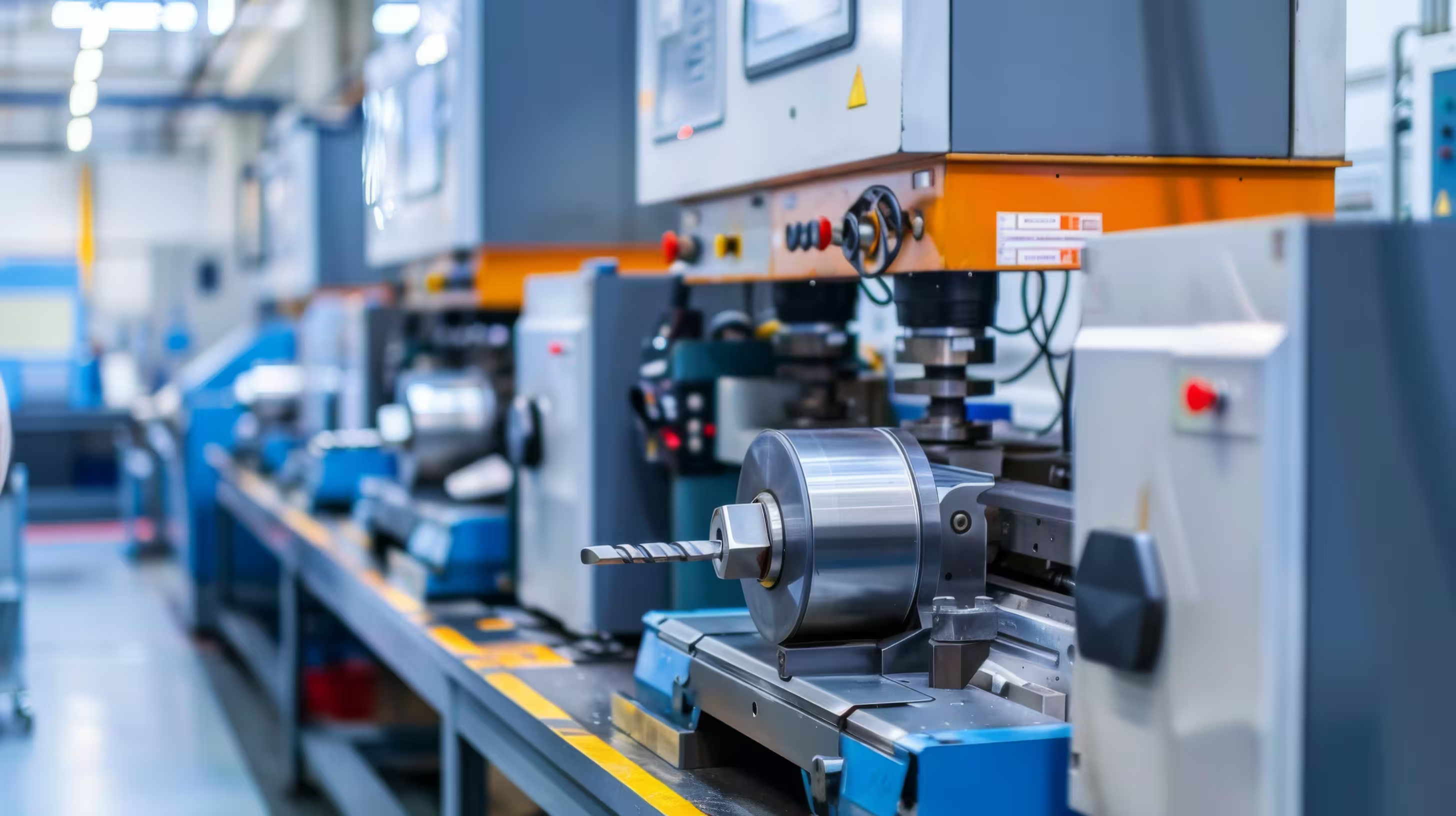
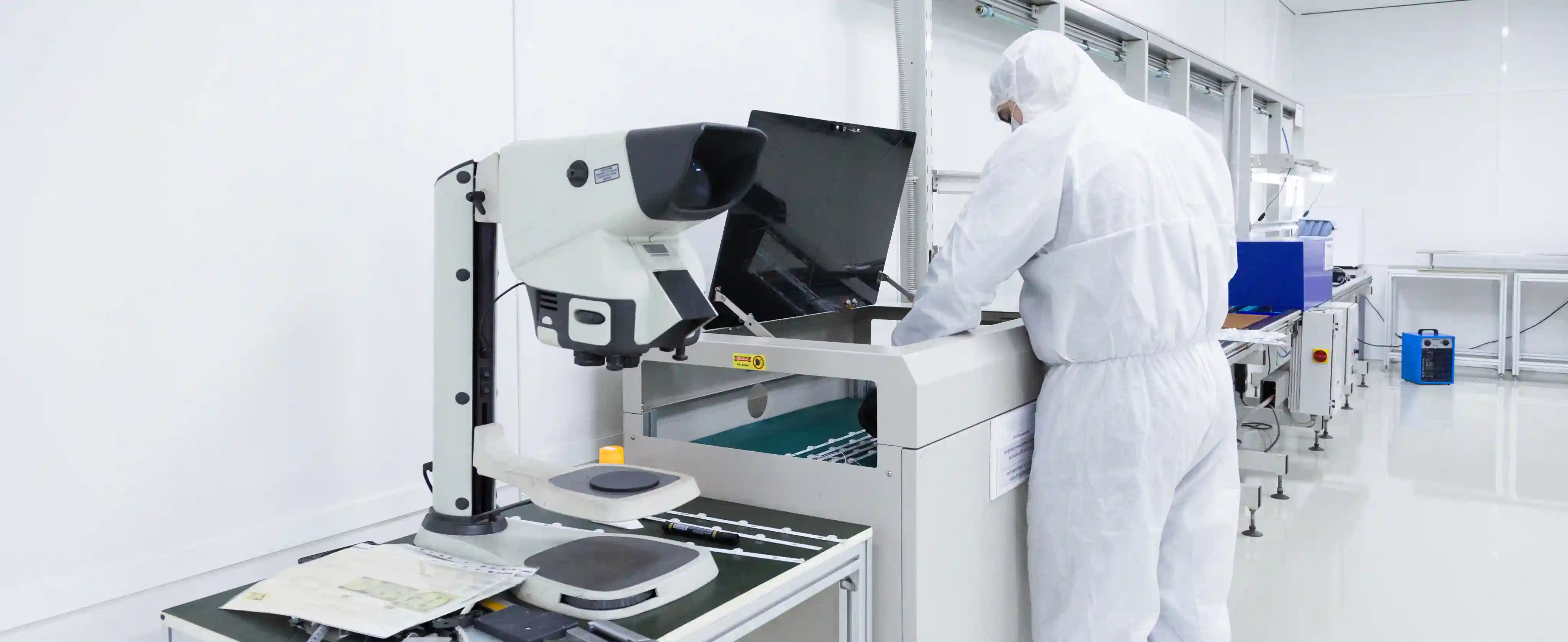
CNC machining in Melbourne serves fabrication companies who need machined components delivered in step with their build programmes. Material sourcing, programming, setup, inspection, and finishing all contribute to lead time. This guide covers the key variables, how to plan machining around your fabrication milestones, and how to handle the urgent orders that inevitably arise on live projects.
Summary
Key Takeaways
- Material sourcing is the biggest lead time variable. Common grades like Aluminium 6061-T6 are available in days, but specialised alloys and heavy sections can take weeks or months, especially with tightened supply chains since 2020.
- Plan machining around your welding sequence, not separately. Rough machining before welding, then finish machining after stress relief, avoids tolerance losses from weld distortion.
- Post-weld cooling periods affect scheduling. Under Weld Australia guidelines, cooling holds of 16 to 48 hours before NDT must be built into the programme (TWI Global; BS EN 1011-2:2001).
- A local machining partner speeds up urgent work. A Melbourne-based CNC shop with your files on hand can deliver emergency parts next-day, versus five to seven business days for offshore air freight.
- Consolidating with one CNC machining partner reduces coordination overhead and lowers lead times on repeat and high-volume machining orders.
1. Why CNC Machining Lead Times Are Less Predictable Than You Think
Lead time for a CNC machined part is not just machine time. It includes material sourcing, programming, setup, machining, inspection, and any secondary finishing like anodising or plating. Each step has its own variables.
Material is often the biggest unknown. Common grades like Aluminium 6061-T6 or Mild Steel 1020 are usually available from local stockholders within days. But specialised alloys, heavy plate sections, or specific bar diameters can take weeks or even months to arrive, particularly when supply chains are tight. Lead times for non-standard stock in Australia have increased considerably since 2020, making early procurement planning essential for any project with custom material requirements.
If your project involves structural compliance under AS/NZS 5131, there are also mandatory hold points to factor in. Under Weld Australia guidelines, post-weld cooling periods — typically 16 to 48 hours depending on material thickness and joint type — must be observed before non-destructive testing (NDT) can begin (TWI Global; BS EN 1011-2:2001). These cooling requirements are not optional, and they directly affect when machined components can move to the next stage of production.
For parts requiring defence or aerospace certification under AS9100D, documentation and traceability requirements add meaningful overhead to standard production timelines. First-article inspection reports, raw material certification with heat-number traceability, and in-process inspection records all extend lead times, particularly on small-batch or first-article work.
2. Plan Your Metal Machining Around Your Fabrication Milestones
The most common mistake is treating CNC machining as a separate procurement package that runs in parallel with fabrication. In practice, machined components and welded structures are interdependent. The order in which things get welded affects when and how parts should be machined.
For example, if a machined mounting face needs to sit within a welded frame, it often makes sense to rough machine the part early, let it go through the welding and stress-relief stages with the rest of the assembly, and then bring it back for finish CNC milling or CNC turning once the structure has settled. This staged approach avoids the classic problem of machining to final tolerance, only to have welding distortion push everything out of spec.
Talk to your machining partner about your build programme early. Share your fabrication schedule, not just the part drawing. A good CNC machining shop will plan their metal machining work around your milestones rather than just quoting a standalone lead time.
3. Handling Urgent Orders Without Derailing the Schedule
On any live project, things change. Designs get revised, parts get damaged, or a downstream process reveals that an additional component is needed. Urgent orders are part of the reality of fabrication work.
The key is having a machining partner who can respond quickly without you needing to start the relationship from scratch each time. If your CNC machining shop already has your material specs, drawing history, and programming files on hand from previous jobs, they can turn around urgent work in days rather than weeks.
For rapid prototyping or emergency replacement parts, local shops have a clear advantage over offshore suppliers. A Melbourne-based machinist can have a part on your bench the next morning. An overseas order, even with air freight, typically takes five to seven business days at best once customs clearance is factored in.
4. Consolidate Your Sourcing Where You Can
Splitting machining work across multiple suppliers creates coordination overhead. Each shop has its own quoting process, its own scheduling queue, and its own quality system. When you consolidate recurring work with a single CNC machining partner, you reduce the back-and-forth and build a relationship where your shop understands your standards, your typical tolerances, and your project rhythms.
This is especially valuable for high-volume machining and repetition engineering work, where setup time drops significantly once the first batch has been programmed and proven. Your second and third orders come through faster and cheaper because the groundwork is already done.
5. How Southside Engineering Manages Lead Times for Fabricators
At Southside Engineering, we work with fabrication companies, heavy equipment manufacturers, mining, and construction teams across Melbourne who rely on us to deliver machined components in step with their build programmes.
We coordinate with your project schedule so parts arrive when you need them. We hold programming files and material specs for recurring clients, which means urgent and repeat orders move through the shop faster. And because we are based in Mordialloc, parts travel across Melbourne, not across oceans.
We offer CNC machining, CNC milling, CNC turning, assembly and production, high-volume machining, and rapid prototyping. 100% Australian owned for over 50 years.
Need machined components delivered to your fabrication schedule? Get a quote or call us on (03) 9587 0405.